What if Your Creative Habit Could Quietly Boost Your Health?
Have you ever lost yourself in coloring or sketching online, only to realize hours flew by and your stress melted away? What if that simple joy did more than entertain—what if it quietly supported your well-being? Millions are discovering that painting online isn’t just a pastime. It’s becoming a gentle, daily habit that tracks mood, reduces anxiety, and nurtures mental clarity—without feeling like “self-care.” Let’s explore how creativity, when woven into everyday life, becomes a hidden force for health. This isn’t about becoming an artist. It’s about giving yourself a few quiet minutes where you’re not solving problems, managing schedules, or meeting expectations. It’s about doing something just because it feels good—and realizing, over time, that those moments are doing far more than you thought.
The Unexpected Power of Daily Doodles
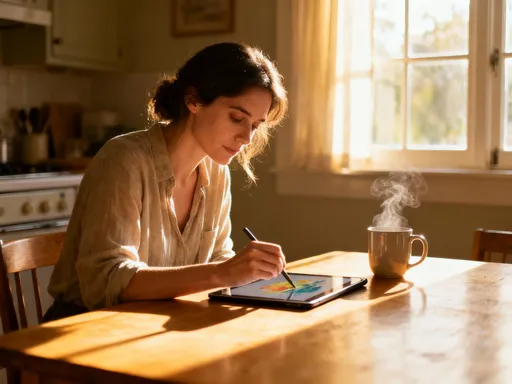
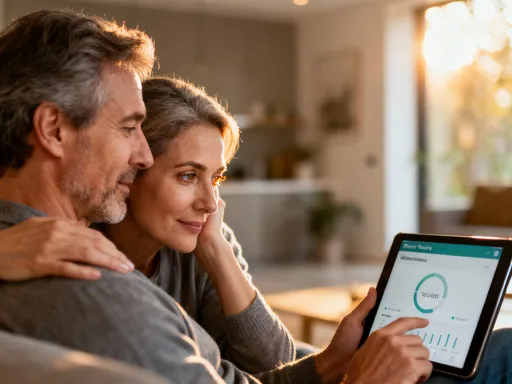
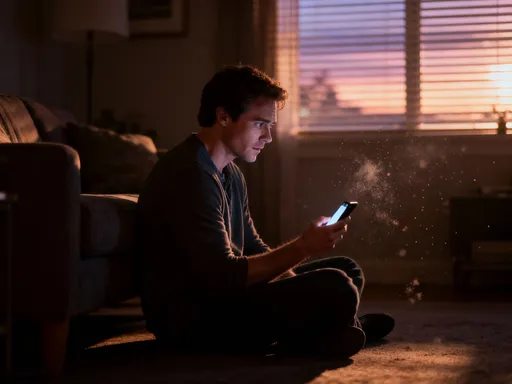
Imagine this: it’s 7 p.m., the kids are finally asleep, the dishes are done, and you’re sitting on the couch with your tablet. You open a painting app—not because you have to, but because you want to. You pick a soft blue, then a warm yellow. You don’t have a plan. You just start filling in shapes, blending colors, watching how they mix. Before you know it, 45 minutes have passed. Your shoulders feel lighter. Your breathing is slower. You’re not thinking about the argument you had with your sister, or the email you forgot to send, or the grocery list you still haven’t written. You’re just… here.
This isn’t magic. It’s science. When you engage in simple, repetitive creative acts like digital coloring or freeform sketching, your brain shifts into what psychologists call a “flow state.” In this state, the prefrontal cortex—the part responsible for self-monitoring and critical thinking—quietly steps back. Your mind isn’t analyzing, judging, or planning. It’s simply doing. And that quieting effect reduces cortisol, the hormone linked to stress. Studies have shown that even ten minutes of creative activity can lower anxiety levels and improve mood. The beauty of online painting is that it doesn’t ask for perfection. There’s no blank canvas glaring at you, no pressure to produce something “good.” You’re not trying to impress anyone. You’re just making marks. And in that simplicity, your nervous system gets a chance to reset.
Many women I’ve spoken to describe this experience as “mental tidying.” One mom in Ohio told me, “After a day of managing everyone else’s needs, painting helps me find myself again. It’s like I’ve been scattered in a hundred directions, and suddenly, I’m back in one piece.” That’s the quiet power of daily doodling—not because it’s dramatic or intense, but because it’s gentle, accessible, and deeply human. It reminds us that we don’t have to earn peace. We can simply create it, one brushstroke at a time.
How Online Painting Platforms Make It Effortless
Let’s be honest—most of us don’t have the time, space, or energy to set up an art studio. We don’t want to dig out brushes, worry about paint stains, or feel guilty if we don’t finish a piece. That’s where online painting platforms shine. They’re designed with real life in mind. No mess. No cleanup. No pressure. Just open the app, tap a color, and begin.
Think about how much friction usually stands between us and self-care. You have to remember to do it. You might need special equipment. You could feel self-conscious. But what if the tool was already in your pocket? What if it took less effort than scrolling through social media? That’s the genius of today’s digital art apps. They use smart design to make creativity feel natural, even automatic. One-tap color palettes suggest soothing combinations—no need to decide what goes with what. Undo buttons mean mistakes don’t matter. Guided templates offer just enough structure to help you start, without limiting your freedom. Some apps even play soft ambient music or nature sounds, turning your screen into a calming retreat.
And here’s the thing: these platforms aren’t built for artists. They’re built for people like you—busy, thoughtful, maybe a little worn out—who need a moment of calm. They understand that you’re not looking to hang your work in a gallery. You’re looking to feel better. So they remove every barrier. No downloads. No sign-ups with complicated profiles. Just simplicity. One woman in Texas said, “I used to think I wasn’t creative because I couldn’t draw a straight line. Now I realize creativity isn’t about skill. It’s about showing up for yourself.” And these apps make showing up easier than ever.
Painting as a Mirror for Your Mood
Here’s something surprising: your painting habits might be telling you more about yourself than you realize. Some online platforms now include gentle, non-invasive ways to reflect your emotional state over time. And they do it without quizzes, without questionnaires, without any of the clinical feel that makes so many of us shut down.
For example, certain apps quietly notice patterns in your behavior. Do you tend to choose cool colors like blues and grays on stressful days? Do your brushstrokes get heavier when you’re frustrated? Do your sessions get longer when you’re processing something big? Over time, these subtle signals can form a kind of emotional timeline. One user shared that she started painting every evening during a difficult family transition. At first, her work was dark, almost stormy. But after a few weeks, she noticed more golds, pinks, and soft greens appearing. She hadn’t set out to “feel better,” but the colors told a story of healing she hadn’t fully acknowledged.
These insights aren’t delivered as cold data or medical reports. They come in the form of warm, visual reflections. Maybe the app says, “You’ve been using brighter colors lately—glad to see the light returning.” Or, “You’ve painted five days in a row—keep honoring your calm.” It’s like having a kind friend quietly noticing your progress. And for many women, especially those who spend their days caring for others, this kind of gentle self-awareness is rare. We’re so used to putting ourselves last that we don’t even realize how we’re feeling—until we see it reflected in color.
This isn’t about diagnosing anything. It’s about awareness. And awareness is the first step toward healing. When you can see your emotional shifts in a safe, creative space, you begin to trust your inner rhythm. You learn that hard days don’t last forever. That joy can return in small ways—like choosing a sunny yellow instead of a dull gray. And that paying attention to yourself isn’t selfish. It’s necessary.
Building a Routine Without Trying
One of the hardest things about self-care is making it stick. We start with good intentions—meditation, journaling, exercise—but life gets busy, and soon, those habits fall away. What if the key isn’t willpower, but design? What if the right habit feels less like a task and more like a treat?
That’s exactly how many women describe their painting practice. It started as a distraction, a five-minute break during a chaotic day. But over time, it became something they looked forward to. They began pairing it with a daily cue—like after dinner, before bed, or during a coffee break. That’s behavioral psychology at work: cue, routine, reward. The cue is your evening tea. The routine is opening the app. The reward? That quiet sense of calm, of having done something just for you.
And because the activity feels like play, not work, it’s easy to keep coming back. There’s no guilt if you miss a day. No pressure to “keep up.” You just return when you’re ready. One woman in Minnesota said, “I don’t think of it as a habit. I think of it as my little joy break. Some days I paint for two minutes. Some days, twenty. But I always feel better after.” That’s the beauty of low-effort, high-reward routines. They don’t add to your load. They lighten it.
Over time, this consistency builds something deeper than relaxation—it builds resilience. You’re not just escaping stress. You’re creating a reliable source of calm that you can return to, no matter what life throws at you. And when you know you have that safe space, you face challenges with more confidence. You remember: I have a way to steady myself. I have a place where I can breathe.
A Shared Language of Calm in Families
Here’s a beautiful side effect many don’t expect: painting together can bring families closer. Not in a forced, “let’s all do a craft project” kind of way. But in quiet, authentic moments where everyone is doing their own thing, yet still connected.
Imagine this: it’s a rainy Sunday afternoon. The kids are tired, the dog is restless, and no one wants to start homework. Instead of turning on the TV, you suggest everyone grab a tablet or phone and paint for ten minutes. No rules. No comparisons. Just create. You might notice your daughter choosing bold reds and sharp lines—maybe she’s working through some big feelings she hasn’t talked about. Your son fills his screen with swirling galaxies—his way of exploring imagination. And you? Maybe you’re drawn to soft waves and gentle gradients, a reflection of the peace you’re craving.
Later, you might share your work, not to judge, but to say, “Look what I made.” No need for deep conversation. The art becomes a silent language. One mom told me, “My teenager hardly talks to me anymore. But when we paint together, she’ll sometimes say, ‘Mom, look at this color mix.’ And that’s enough. It’s a doorway.”
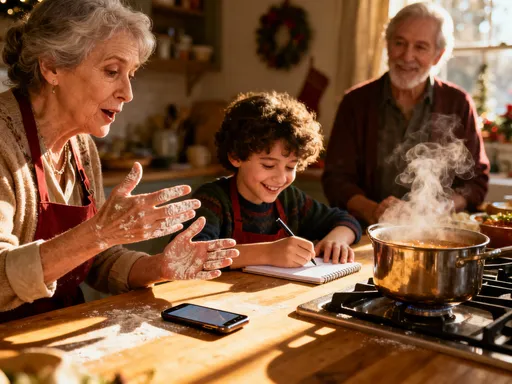
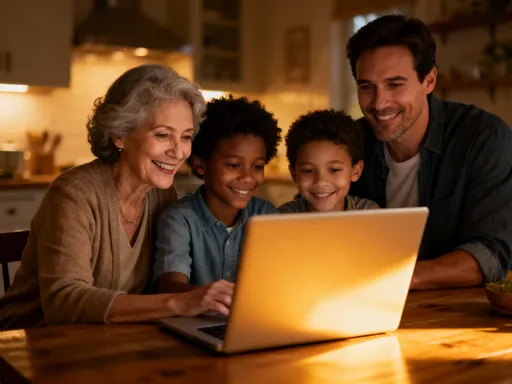
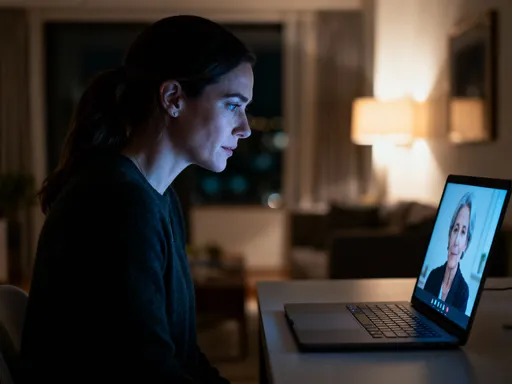
For older family members, it’s just as powerful. A grandmother in Florida started painting with her granddaughter over video call. They use the same app, paint side by side on screen, and laugh at how different their styles are. “It keeps my mind sharp,” she said. “And it makes me feel close to her, even when we’re miles apart.” These moments aren’t about productivity. They’re about presence. They’re about creating space where everyone can just be—and where connection happens quietly, without pressure.
From Stress Relief to Lasting Resilience
At first, online painting might feel like a quick escape—a way to step away from the noise for a few minutes. But over time, something shifts. It becomes more than relief. It becomes strength.
Think of it like physical exercise. One walk won’t transform your health. But walking every day builds endurance, heart strength, and energy. In the same way, regular creative practice builds emotional fitness. Each session is a small act of self-trust. You’re saying, “My feelings matter. My calm matters. I matter.” And over time, that message sinks in.
Women who paint regularly often report feeling more centered, more able to handle stress, and more in tune with their emotions. They’re not avoiding hard feelings—they’re learning to move through them with more grace. One user shared, “When I feel overwhelmed, I don’t reach for my phone to scroll anymore. I open my painting app. It’s become my reset button.”
This is the difference between escape and empowerment. Escape takes you away from life. Empowerment helps you engage with it more fully. Creative practice doesn’t erase challenges—but it gives you a stronger foundation to face them. You become more adaptable. More patient. More aware of your own rhythms. And that, over time, leads to deeper resilience—the kind that doesn’t depend on everything going perfectly, but on knowing you can find your center, no matter what.
Making Space for You—Without Adding to Your To-Do List
Here’s the truth many of us carry: we want to take care of ourselves, but we don’t want one more thing to manage. We’re tired of self-care that feels like homework. We don’t need another app that tells us to meditate, journal, or track our water intake. What we need is something that feels good, that fits into our lives without demanding more from us.
That’s why online painting works. It doesn’t ask you to change who you are. It doesn’t require discipline or perfection. It meets you where you are—on the couch, in the kitchen, waiting in the carpool line—and says, “You’re enough. Just be here for a minute.”
And in that space, something beautiful happens. You remember what it feels like to do something just because it brings you joy. You reconnect with a part of yourself that isn’t responsible, efficient, or productive. You touch the part that’s curious, playful, alive.
Technology often gets blamed for stealing our time and attention. But what if it could also give some of that back? What if your phone or tablet could be a tool for calm, not chaos? That’s the quiet revolution happening in digital creativity. It’s not about flashy features or complex tools. It’s about simplicity. About accessibility. About giving ordinary people an extraordinary way to care for themselves—without even realizing they’re doing it.
So the next time you feel that familiar weight—of responsibility, of worry, of being stretched too thin—don’t reach for your to-do list. Reach for your creativity. Open the app. Pick a color. Make a mark. Let yourself be guided by what feels right in the moment. Because sometimes, the deepest healing doesn’t come from grand gestures. It comes from small, consistent acts of kindness toward yourself. And in those quiet strokes of color, you might just find the peace you’ve been searching for.