What If a Simple Online Certificate Could Transform Your Family’s Daily Chaos into Harmony?
Imagine coming home to fewer arguments, smoother routines, and actual quality time—no magic, just a small change powered by something you can start tonight. What if the key to better family coordination wasn’t more rules or stricter schedules, but a shared online skill that everyone actually enjoys learning together? It’s not about perfection. It’s about progress, connection, and making everyday life feel just a little bit lighter. You’re not alone if some days feel like you're running a tiny corporation with no staff and endless deadlines. The good news? A quiet revolution is happening in homes just like yours—and it starts with one simple click.
The Quiet Struggle Behind Closed Doors
Let’s be honest: most of us didn’t sign up for this level of daily chaos. We wanted family life to feel warm, connected, full of laughter and shared moments. But somewhere between school drop-offs, work emails, dinner prep, and bedtime battles, that vision got buried under to-do lists and calendar alerts. You’re not failing. You’re just stretched—thin, tired, and maybe a little discouraged. And you’re definitely not alone.
Think about last week. Did you miss a moment because you were multitasking? Maybe your daughter showed you a drawing she spent an hour on, and you nodded while replying to a message. Or perhaps your son had a soccer game you couldn’t make because of a last-minute meeting. These aren’t big failures—they’re tiny fractures in connection that, over time, start to feel like cracks in your family’s foundation. And it’s not just about missing events. It’s the constant low hum of stress: the forgotten permission slips, the arguments over screen time, the Sunday night panic about what’s due on Monday.
One mom I spoke with—let’s call her Sarah—told me she used to dread weekends. ‘I felt like a referee,’ she said. ‘Homework, chores, screen limits, sibling fights. By Sunday evening, I was already exhausted for Monday.’ Sound familiar? The truth is, we’re not bad parents. Our kids aren’t difficult. We’re just operating without a shared system. We’re speaking different languages in the same house. And the result? Misunderstandings, resentment, and that nagging feeling that we’re all together but somehow… apart.
But here’s the thing: it doesn’t have to stay this way. You don’t need a complete overhaul. You don’t need to throw out your routines or buy a fancy planner. What you need is a small, shared shift—one that brings everyone onto the same page, literally and emotionally. And the surprising place it’s starting for so many families? Online learning. Not the kind that isolates you with headphones and a laptop. No—this is learning that brings you closer. Learning that becomes a bridge, not a barrier.
When Learning Becomes a Family Language
Now, when I say “online certificate,” I know what you might be thinking: ‘Wait, isn’t that for job promotions or career changes?’ And yes, many people use online courses to advance professionally. But what if I told you that the same tools—short, engaging, structured lessons with a clear goal—could also help your family breathe a little easier?
Imagine this: instead of everyone learning in isolation, your family picks one skill to learn together. Maybe it’s how to manage time better. Or how to communicate without arguing. Or even how to use digital calendars so no one misses anything important. You sign up, complete a few short lessons each week, and at the end—boom—you all get a certificate. Not because it’s going on a resume, but because it’s a symbol. A shared achievement. A reminder that you worked on something important—together.
This isn’t about turning your living room into a classroom. It’s about creating moments of connection disguised as learning. Think about it: when was the last time you and your kids did something new—side by side—where you were all beginners? Where no one was the expert, and everyone had something to contribute? That’s the magic of shared learning. It levels the playing field. Suddenly, Mom isn’t just giving orders—she’s saying, ‘Hey, I learned something cool today. Want to try it with me?’ And your teen, who usually shuts down during ‘family talks,’ might actually lean in and say, ‘Okay, show me.’
One family I followed started with a simple course on digital organization. The dad, a self-described ‘paper-and-pen guy,’ was skeptical. But within two weeks, he was teaching his daughter how to color-code shared calendars. ‘It felt like we were on a mission,’ he told me. ‘Like we were building something.’ That’s the shift—when coordination stops feeling like nagging and starts feeling like teamwork.
Picking the Right Skill: Small Wins, Big Impact
So, how do you choose the right skill? Not every online course will transform your family life. The key is picking something that’s practical, doable, and—this is important—actually useful in your daily routine. You don’t need a 40-hour certification in data analysis. You need something small, focused, and immediately applicable.
Start by asking: What’s the one thing that causes the most friction in your home? Is it scheduling? Miscommunication? Screen time battles? Homework stress? Once you identify the pain point, look for a course that addresses it directly. For example, if weekends feel like a whirlwind of forgotten plans, a short course on basic project management or time-blocking could be a game-changer. These aren’t corporate jargon—they’re simple techniques that help you break big tasks into small steps, assign responsibilities, and track progress.
Or maybe communication is the issue. You ask your child to clean their room, and they say they will—but nothing happens. Frustration builds. What if, instead, you all learned a simple method for giving and receiving requests clearly? Some courses teach active listening, using ‘I’ statements, or setting expectations with empathy. These aren’t therapy—they’re practical tools anyone can use. And when the whole family learns them together, it stops being ‘Mom nagging’ and starts being ‘We’re using our system.’
The best courses are short—under 10 hours total—and broken into bite-sized lessons. They offer a certificate or badge at the end, which gives a sense of closure and accomplishment. And they’re designed for beginners, so no one feels left behind. You don’t need to know tech lingo. You just need to be willing to try. Platforms that host these kinds of courses often have user-friendly interfaces, progress trackers, and even optional quizzes to reinforce learning—all things that make it feel real, not abstract.
And here’s a pro tip: let the kids help pick the course. When they feel ownership, they’re more likely to engage. Maybe your 12-year-old suggests a class on creative problem-solving because they love puzzles. Great. That skill applies to everything—from resolving sibling fights to planning a family outing. The goal isn’t perfection. It’s progress. It’s showing up, trying something new, and saying, ‘We’re learning how to do this better.’
Turning Certification Into Family Rituals
Okay, so you’ve picked a course. Now, how do you make it part of your life—without it feeling like one more thing on the list? The answer: turn it into a ritual. Not a rigid, pressure-filled routine. A warm, inviting habit—something to look forward to.
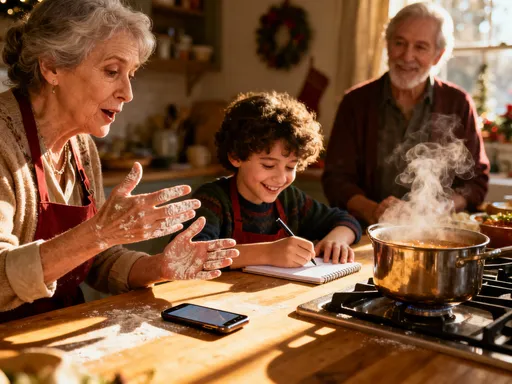
One family I know started “Learning Sundays.” Every Sunday after brunch, they’d gather in the living room with snacks and laptops. No pressure. Just 30 minutes of watching a lesson together, then chatting about it. ‘It felt like movie night,’ said one mom. ‘But instead of watching characters grow, we were growing.’ They’d talk about what they learned, joke about the quiz questions, and plan how to use the skill that week. ‘We even made a little celebration when we finished—homemade certificates and ice cream sundaes.’
You can adapt this to your family’s rhythm. Maybe it’s “Wednesday Wind-Down,” where you do a lesson after homework. Or “Friday Family Focus,” where you review progress and set goals for the weekend. The key is consistency, not perfection. Miss a week? No problem. Just pick up where you left off. The point is to create space where learning feels safe, shared, and even fun.
And here’s where parents have a powerful role: modeling. When your kids see you trying something new—stumbling, laughing, asking for help—it teaches them that growth isn’t about being perfect. It’s about being brave. One dad admitted he got stuck on a quiz and asked his 10-year-old for help. ‘She lit up,’ he said. ‘She felt like the expert for once. And honestly? It brought us closer.’
You can also build in small rewards. Not big, expensive ones—just little acknowledgments. A family dance party when you complete a module. A special dinner where everyone shares one thing they learned. These moments reinforce that learning isn’t a chore. It’s a gift you’re giving each other.
From Screens to Shared Goals
I know what you’re thinking: ‘Wait, more screen time? Isn’t that the problem?’ And you’re right—endless scrolling, solo gaming, binge-watching—those can pull families apart. But not all screen time is the same. What if your devices became tools for connection instead of escape?
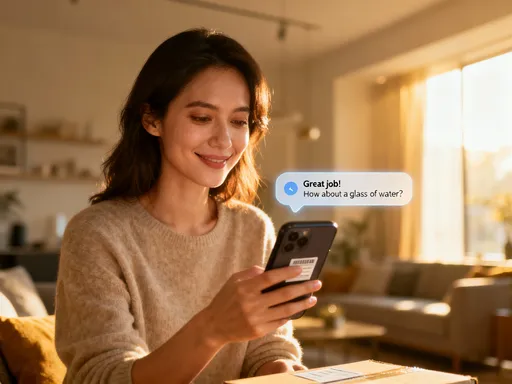
That’s exactly what happens when you use technology with purpose. Instead of everyone on their own island, you’re on the same team. You’re looking at the same screen, celebrating the same milestones, working toward the same goal. One family created a “Family Dashboard” on a shared tablet—nothing fancy, just a simple page where they tracked their course progress, posted their digital badges, and wrote little notes like ‘Great job on Module 3!’ or ‘We’re halfway there!’
Another family turned their learning into a “mission.” They called it “Operation Smooth Sailing.” Every time they used a skill from the course—like using a shared calendar to plan dinner or applying a communication tip during an argument—they’d mark it on a chart. It became a game. A way to see progress in real time. ‘It made us more aware,’ said one mom. ‘We’d catch ourselves saying, ‘Hey, that was a good “I” statement!’ or ‘Nice job using the time-block trick.’ It was like we had a secret language.’
And here’s the beautiful part: when technology serves a shared purpose, it builds trust. Your teen sees that you’re not just policing their screen use—you’re using yours to grow too. You’re all learners. You’re all trying. And that shifts the dynamic from ‘You vs. Me’ to ‘Us vs. The Challenge.’
Real Changes in Real Homes
Let me tell you about the Miller family. Two parents, three kids, ages 8 to 15. They were drowning in chaos. Homework battles. Forgotten sports practices. Constant bickering. The mom, Lisa, said she felt like she was constantly yelling. Then they tried a six-week course on family communication and organization. They did one lesson a week, every Sunday. They made certificates. They celebrated.
By week three, they’d implemented a shared digital calendar. Everyone had a color. Birthdays, practices, even ‘Mom’s Yoga Night’ were marked. No more surprises. They also learned a simple check-in routine: five minutes each evening to share one win and one challenge. ‘It felt awkward at first,’ Lisa admitted. ‘But within two weeks, my 15-year-old was actually volunteering things. Like, ‘My win today? I finished my history paper early.’ That never happened before.’
Another family—the Garcias—struggled with screen time. Kids on devices from the moment they got home. Parents feeling ignored. They took a course on digital balance and time management. They learned to use timers, set shared goals, and create ‘tech-free zones.’ But the real breakthrough? They all earned their certificate together. ‘It wasn’t about taking away screens,’ said Dad. ‘It was about using them with intention. Now, when we do something online together—like watching a lesson or planning a trip—it feels different. It feels connected.’
And then there’s the Thompsons, who used a problem-solving course to navigate a tough season. Their 13-year-old was struggling with anxiety, and family tension was high. The course didn’t fix everything—but it gave them tools. They learned to pause before reacting, to ask open-ended questions, to brainstorm solutions together. ‘We still have hard days,’ Mom said. ‘But now we have a way through. We’re not just surviving. We’re learning how to thrive.’
Beyond the Certificate: Building a Culture of Growth
Here’s the truth: that certificate on the fridge? It’s not the real prize. The real reward is what happens after. It’s the way your kids start using the skills without being reminded. It’s the quiet moment when your partner says, ‘Hey, let’s time-block dinner prep tonight.’ It’s the pride in your child’s voice when they say, ‘I used the listening trick with my friend today.’
One small course can spark a mindset shift. Suddenly, challenges aren’t just problems to endure—they’re opportunities to learn, grow, and connect. You start seeing your family not as a group of individuals needing management, but as a team with shared goals. And that changes everything.
More families are discovering this quiet power of shared learning. It’s not about becoming tech experts. It’s about using technology as a tool for love, patience, and everyday improvement. It’s about saying, ‘We may not have it all figured out—but we’re figuring it out together.’
So, what could your family learn together? Maybe it’s the skill that finally brings peace to weekday mornings. Maybe it’s the tool that helps you plan vacations without stress. Or maybe it’s just the excuse you needed to slow down, connect, and grow—side by side. Whatever it is, the journey starts with one decision. One click. One shared ‘Let’s try this.’
Because harmony isn’t found in perfect routines or spotless homes. It’s found in the small, brave choices we make—to listen, to learn, to grow—together.