Cleared 12GB of hidden junk on my phone: What finally gave me back my battery and speed
We’ve all been there—your phone slows to a crawl, the battery dies by noon, and you’re certain you haven’t downloaded *that* much. I felt the same, constantly frustrated, until I discovered how much invisible clutter was dragging my device down. It wasn’t just photos or apps—it was something sneakier. What I found not only freed up space but also brought back the joy of using my phone. Let me show you how a simple shift changed everything.
The Breaking Point: When My Phone Became a Burden
It was a Tuesday morning, and I was already behind. My daughter needed a ride to soccer, my work calendar was packed, and I had just enough time to grab coffee before the school drop-off. I reached for my phone to check the weather—just a quick tap—but it froze. Again. I stared at the spinning wheel, heart racing, as if my whole day hinged on one app loading. When it finally did, the battery warning popped up: 18%. And it was only 8:30 a.m.
This wasn’t new. For weeks, my phone had been acting like a toddler having a meltdown—unpredictable, slow, and overheating for no reason. I’d restart it, close apps, even yell at it once (quietly, in the car). But nothing helped. Notifications took minutes to appear. Maps glitched mid-directions. My favorite meditation app wouldn’t open when I needed it most. I started avoiding my phone, which felt absurd. This was supposed to be my tool, my helper, my connection to everything—but instead, it had become a source of stress.
One evening, after my kids were asleep, I sat on the couch and just looked at it. The screen cracked, the home button sticky, the storage warning blinking like a tiny red accusation: “Storage Almost Full.” I didn’t understand. I hadn’t downloaded new games. I didn’t take hundreds of photos. So why was it so full? That night, I made a promise: I was going to figure this out. Not just to free up space, but to get my life back. Because if my phone couldn’t keep up, how could I?
What We Get Wrong About Phone Storage
Like so many of us, I thought I was being smart about storage. I’d delete old photo albums—goodbye, blurry sunset shots from vacation. I’d uninstall apps I hadn’t used in months—farewell, language-learning app I swore I’d use every morning. I even moved some files to the cloud, feeling quite proud of myself. But still, the storage filled up. It was like cleaning the kitchen counter while ignoring the mess inside the cabinets.
Here’s what I didn’t realize: the real space hogs aren’t the things we see. They’re the invisible files our phones collect without asking—like digital dust bunnies under the couch. Every time you open an app, watch a video, or load a webpage, your phone stores temporary files called cache. These are meant to help things load faster next time. But over time, they pile up. And they don’t clean themselves.
Then there’s residual data—leftover bits from apps you’ve already deleted. Think of it like moving out of a house but leaving behind boxes of junk in the attic. Your phone still “owns” that space, even if the app is gone. There are also log files, system backups, and app fragments that accumulate quietly in the background. None of these show up in your photo roll or app list, so you never think to delete them. But together, they can take up gigabytes—sometimes more than your actual photos or music.
Another surprise? Some apps grow over time, not because you’re using them more, but because they store more data. Messaging apps are classic examples. Every sticker, voice note, and shared meme gets saved. Over two years, my family group chat had quietly swallowed over 4GB. That’s not photos—that’s just everyday conversation clutter. Once I understood this, I stopped blaming myself for being “bad” at phone management. I just didn’t know what to look for.
The Cleanup That Changed Everything
My journey started with a simple question: “How do I see what’s really taking up space?” I didn’t want to delete anything important, and I wasn’t about to reset my phone and lose all my settings. So I looked for a safe, step-by-step way to clean up without breaking anything.
First, I went to my phone’s settings—yes, that mysterious menu I usually avoid. Under “Storage,” I found a breakdown of what was using space: apps, photos, system data, and “other.” That “other” category? 9.2GB. I had no idea what that meant. A quick search taught me that “other” often includes cache, logs, and temporary files—basically, the digital equivalent of crumbs in your pockets.
I decided to start with the built-in tools. On my iPhone, I used the Offload Unused Apps feature. It removes apps you haven’t opened in months but keeps their data, so you can reinstall them later with everything intact. I offloaded seven apps I hadn’t touched in over a year. That freed up about 1.3GB right away. Then I looked at individual apps. Instagram, for example, was using 2.1GB—not because of my posts, but because of saved stories, cached reels, and downloaded content. I went into its settings and cleared the cache. Instantly, it dropped to 800MB.
For Android users, the process is similar. You can go to Settings > Storage > Free Up Space, which suggests files to delete, like old downloads or duplicate photos. But I also used a trusted app called Files by Google (yes, it’s free and safe). It showed me large files, duplicate photos, and apps I hadn’t used. I was shocked to find three voice memos of the same grocery list—recorded weeks apart, clearly when I was stressed and forgetful.
The biggest leap came when I cleared system cache. This sounds scary, but it’s safe. On iPhone, you can do this by restarting the device—yes, really. A full restart clears temporary files. On Android, you can clear cache partition in recovery mode, or use a file manager to delete cache folders. I also deleted old WhatsApp backups stored locally and cleared browser history and cookies. By the end of the evening, I’d removed over 12GB of junk. And the best part? My phone didn’t break. It didn’t lose my passwords. It just… breathed.
Immediate Wins: Speed, Battery, and Peace of Mind
The next morning, I picked up my phone and felt the difference immediately. The home screen loaded faster. Apps opened without delay. When I tapped the camera, it launched in under a second—no more missing the kids’ silly faces because the app was lagging. But the real win? The battery. It lasted. I made it to 9 p.m. with 23% left. That hadn’t happened in months.
And it wasn’t just about numbers. It was about how I *felt*. I wasn’t dreading the low storage warning. I wasn’t closing apps “just in case.” I wasn’t restarting my phone three times a day. There was a lightness to using it again—a sense of control. I realized how much mental energy I’d been spending on phone stress. Worrying about storage, fearing crashes during important calls, missing moments because the camera was slow. All of that lifted.
I started using apps I’d abandoned. My recipe app worked smoothly again, so I actually tried new dinners. I used my meditation app every morning, not just when I had time, because it opened instantly. I even started journaling in a notes app I’d forgotten I had. The phone wasn’t just faster—it was more *present*. And so was I.
My daughter noticed too. “Mom, your phone isn’t yelling at you anymore,” she said, half-joking. I laughed, but it was true. My frustration had been seeping into family time. Now, when we played games together or looked up facts during dinner talks, the phone was a tool again, not a tantrum-throwing toddler. That shift mattered more than any tech spec ever could.
Building a Habit: Keeping My Phone Light and Fast
I’ll admit it: I thought one deep clean would be enough. But a month later, I started seeing the signs again—slower performance, storage creeping up. That’s when I realized: digital clutter is like laundry. It never stops. The key isn’t a one-time purge—it’s building small, sustainable habits.
So I created a “digital detox” routine. On the first Sunday of every month, I spend 20 minutes checking my storage. I review large files, clear cache for heavy apps like social media and maps, and delete voice memos or screenshots I don’t need. It’s not a chore—it’s become a kind of digital self-care, like tidying my nightstand or watering my plants.
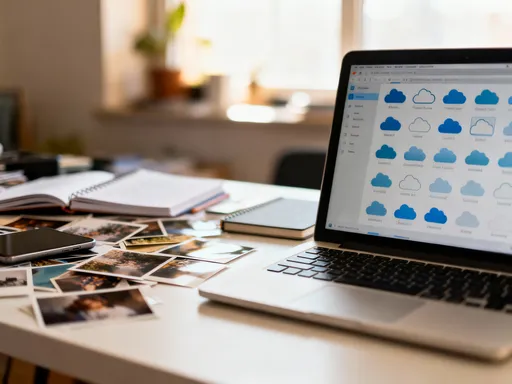
I also changed how I use apps. Instead of saving every article or video “to watch later,” I now ask: will I really come back to this? If not, I close it. I turned off auto-play for videos in social apps—those little clips eat up data and storage fast. I also enabled automatic photo backup to the cloud and set my phone to delete originals after upload. That way, I keep my memories safe without clogging my device.
Another habit: I review new apps before downloading. I ask myself, “Will I use this more than three times?” If the answer’s no, I skip it. And if I do download something, I give it a week. If I haven’t opened it, I delete it. These small choices add up. My phone stays lean, fast, and ready when I need it.
What My Phone Taught Me About Digital Clarity
Here’s what surprised me most: cleaning my phone didn’t just fix my device. It changed how I think about my time, my attention, and my peace of mind. I started seeing parallels everywhere. Just like hidden cache files slow down a phone, invisible mental clutter—worry, distraction, unfinished tasks—can weigh us down.
I began asking myself: what else in my life needs a reset? I cleared out old clothes I never wore. I unsubscribed from emails that just made me feel guilty for not reading them. I even started a “no phone” hour before bed, which improved my sleep more than any app ever did. The discipline of digital cleanup spilled over into real life.
There’s a quiet power in intentionality. When I choose what to keep—on my phone or in my day—I’m not just organizing. I’m deciding what deserves space. That’s empowering. It’s easy to let life pile up: obligations, messages, commitments. But just like my phone, we all have limited capacity. Protecting that space isn’t selfish—it’s necessary.
I also realized how much we outsource our focus to our devices. We let notifications pull us in every direction. We keep apps “just in case.” But every icon on your screen is a tiny promise of attention. When I removed the ones I didn’t truly need, I felt calmer. More present. More like myself.
A Lighter Phone, a Lighter Life
In the end, this wasn’t just about freeing up 12GB. It was about reclaiming my time, my calm, and my connection to what matters. A faster phone means I can video-call my mom without freezing. It means I can capture my son’s first basketball game without the camera lagging. It means I can focus on work without constant frustration.
But deeper than that, it taught me that small acts of care—whether for a device or for myself—add up. Cleaning my phone became a metaphor for clearing space in my life. When we remove the clutter, we make room for joy, for presence, for breath.
If your phone feels heavy, slow, or overwhelming, I want you to know: it’s not your fault. And it’s not too late. You don’t need to be a tech expert. You just need to start. Open your settings. Check your storage. Delete one file. Then another. You’ll be surprised how quickly it adds up.
And who knows? That little act might do more than speed up your phone. It might just lighten your life a little too. Because sometimes, the simplest fixes are the ones that change everything.