More Than Data: How Driving Insights Keep My Friendships on the Road
Friendships fade not from lack of care, but from life’s chaos—missed calls, broken plans, distances that grow when we’re not looking. I almost lost touch with my closest friend the same way—until a simple alert from my car reminded me to call her. What if the tech in your daily drive could do more than track speed or fuel? What if it quietly helped you stay connected to the people who matter most? That’s exactly what happened to me. And now, I see my commute not just as time spent on the road, but as a chance to nurture the relationships that keep me grounded.
The Slow Drift No One Talks About
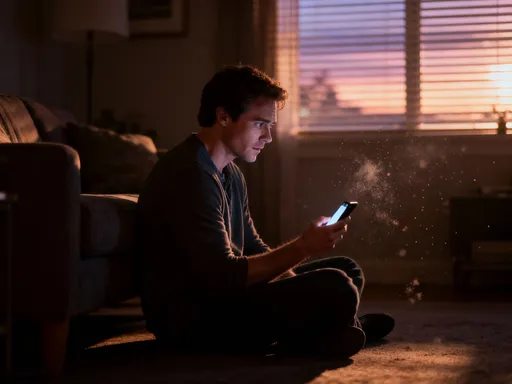
Remember those days when you and your best friend talked every single day? Maybe it was a quick text after dropping the kids off, a laugh-filled call during your lunch break, or a late-night chat after everyone else had gone to bed. You didn’t plan it—you just showed up. But then life shifted. The school year started. Work picked up. The to-do list grew longer than the drive home. And slowly, without either of you meaning to, the calls became less frequent. The texts got shorter. The silence stretched, not because you stopped caring, but because you were both just… busy.
I saw it happening with Sarah. We’d been friends since our kids were toddlers, meeting at the park with coffee in hand and mismatched socks on our feet. We celebrated birthdays, survived holidays, and cried over spilled milk—literally and figuratively. But one day, I realized I hadn’t heard her voice in over two weeks. Not because anything was wrong. Not because we’d argued. Just… life. I felt guilty, but also overwhelmed. When would I find the time to call? And what if she was busy too? So I waited. And the gap grew.
This kind of drift isn’t dramatic. There’s no big fight, no falling out. It’s quiet. Almost invisible. But the weight of it? That’s real. It’s the ache you feel when you pass her street and remember the last time you saw her. It’s the hesitation before you send a ‘Hey, we should catch up’ text, wondering if it’s been too long. We don’t talk about this enough—the way modern life, with all its motion and noise, can quietly pull us away from the people who mean the most.
A Dashboard That Noticed What I Didn’t
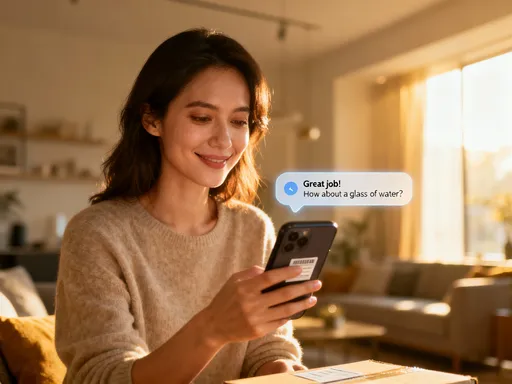
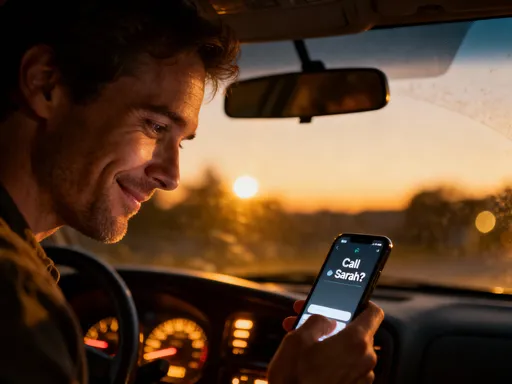
Here’s the thing I never expected: my car noticed before I did. Not in a creepy, Big Brother kind of way—but in a gentle, ‘hey, you might want to check in’ kind of way. It was a Tuesday evening, stuck in the usual traffic after grocery shopping. The kids were arguing in the backseat, my phone was buzzing with reminders, and I was just trying to get home. Then, a soft chime from the dashboard. A message appeared: ‘You haven’t called Sarah during your evening drives this week. Want to connect now?’
I nearly missed it at first. Just another notification, right? But something about it stopped me. Not because it was flashy or urgent, but because it was… thoughtful. It wasn’t asking me to check my oil or reminding me about a meeting. It was reminding me about a friendship. I pulled over at the next red light, took a breath, and called her. We talked for over twenty minutes—about her mom’s health, my daughter’s school project, the way we both missed our old park days. By the end, I felt lighter. Closer. Like I’d just stepped out of a fog.
That moment changed how I see my car. It’s not just a machine that gets me from point A to point B. It’s become a quiet partner in my emotional life. And the best part? This wasn’t some special feature I paid extra for. It came built into the driver wellness system—a small, smart layer of tech that learns your rhythms and gently supports your well-being. It didn’t replace my care for Sarah. It helped me act on it.
How Driving Behavior Reveals Emotional Patterns
You might be wondering—how does a car even know something like that? It’s not listening to your calls or watching your face. It’s not tracking your location in a way that invades your privacy. Instead, it pays attention to your driving patterns—things like how smoothly you brake, how steady your speed is, and how often you interact with your phone while driving. These small behaviors, when looked at over time, can actually tell a story about your mental and emotional state.
Think about it. When you’re stressed, your driving changes. Maybe you brake harder than usual. Or you speed up without realizing it. Your hands might grip the wheel tighter. You might check your phone more often, even if you know you shouldn’t. On the flip side, when you’re calm and relaxed, your driving tends to be smoother, more predictable. These aren’t just observations—they’re patterns that modern driving systems can recognize.
And here’s where it gets meaningful. If the system notices that your driving has been more erratic this week—more sudden stops, more phone glances—it might suggest a calming playlist or remind you to take a deep breath. But it can also connect that behavior to your relationships. If you usually call your sister during calm Friday drives, but this week your drive was tense and you didn’t call, the system might gently ask: ‘You often check in with Lisa on Fridays. Want to send her a quick message?’ It’s not mind-reading. It’s pattern recognition with care.
The technology behind this isn’t magic. It’s based on behavioral analytics—algorithms that learn your normal rhythms and notice when something shifts. But it’s designed with emotional intelligence in mind. It doesn’t judge. It doesn’t push. It simply offers a nudge when it senses you might need one. And sometimes, that nudge is exactly what helps you reconnect.
Tech That Learns Who Matters to You
What’s really powerful is how this tech adapts to your life. It doesn’t assume who’s important to you. It learns. Over time, it picks up on the people you call most during your drives, the times you tend to reach out, and even the tone of your voice when you speak to them. If you always call your best friend after work on Fridays, or your mom during long weekend drives, the system starts to recognize those moments as emotional touchpoints.
And when those patterns change? That’s when it steps in. Not with a demand, but with a suggestion. ‘You usually call your daughter around now. Want to send a voice note?’ Or, ‘You haven’t spoken to Mark this week. He’s listed as a close contact. Would you like to connect?’ These aren’t random prompts. They’re thoughtful, context-aware reminders that fit into your life.
I’ll admit, I was skeptical at first. I thought it might feel robotic, like a machine trying to play therapist. But it’s not like that at all. It’s more like having a friend in the passenger seat who quietly says, ‘Hey, don’t forget about her.’ It doesn’t replace human connection—it supports it. And because it learns from you, it gets more accurate over time. The more you use it, the better it understands your world.
One of my favorite features is the voice tone analysis. It doesn’t record your calls or listen to your conversations. Instead, it picks up on emotional cues in your voice—like warmth, stress, or hesitation—when you use voice commands. If you sound tired or rushed, it might suggest a calming route or delay non-urgent notifications. If it detects that you’re speaking to someone you care about, it might later remind you to follow up. It’s not about surveillance. It’s about support.
Real Moments, Small Nudges
Let me tell you about two moments that really brought this home for me. The first was with my neighbor, Jen. She’d been going through a tough time—her dad was in the hospital, and she was juggling work and caregiving. I wanted to check in, but every time I thought about it, I was either too busy or worried I’d interrupt. Then, one afternoon, as I was driving toward the highway, my car gave me a gentle alert: ‘You’re about to enter a tunnel. Network may be spotty. Want to send Jen a voice note now?’
I hadn’t even realized I was near a tunnel. But the timing was perfect. I pulled over at the shoulder, recorded a quick message: ‘Just thinking of you. No need to reply. Sending love.’ She texted me later that night, saying it was the first time in days she’d felt seen. That small nudge helped me show up in a way I might have otherwise missed.
The second moment was more personal. I’d had a long, stressful drive—traffic, rain, the whole nine yards. I was exhausted, and my usual post-drive routine was to collapse on the couch. But as I pulled into my driveway, my car suggested: ‘You’ve had a tense drive. Try a two-minute breathing exercise before going inside.’ I rolled my eyes at first—but then I did it. Just two minutes. Deep breaths. Closed eyes. And when I walked in, I felt calmer. I ended up calling Sarah that night—not because I had to, but because I wanted to. I told her about the breathing exercise, and she laughed and said, ‘Your car is wiser than mine.’ We talked for an hour. That small suggestion didn’t just help me relax—it helped me reconnect.
These aren’t flashy features. They don’t come with a big marketing campaign. But they matter. Because they turn driving time—time we often think of as lost—into moments of care. They help us show up for the people we love, even when life gets loud.
Privacy Without the Paranoia
Now, I know what you might be thinking: ‘This sounds nice, but isn’t it invasive? Who’s listening? Where does my data go?’ These are fair questions. And honestly, I had them too. But here’s what I’ve learned: this kind of tech doesn’t work by sending your data to some faraway server. It runs locally on your car’s system. Your calls, your contacts, your voice—none of it is recorded or shared. The system doesn’t know your friend’s name is Sarah. It knows that ‘Contact #3’ is someone you call every Friday at 6 PM with a calm voice and smooth driving.
The data is anonymized and encrypted. It stays in your car. You control what’s tracked and how you’re reminded. You can turn off voice analysis, disable call suggestions, or delete your behavioral history at any time. This isn’t about surveillance. It’s about personalization—with your permission.
And the best part? It doesn’t require any extra effort. You don’t have to log in, set up profiles, or answer a bunch of questions. The system learns from your natural behavior. It’s like a good friend who pays attention—not because they’re nosy, but because they care.
I’ve talked to other moms in my neighborhood about this, and many of them feel the same way. We’re not tech experts. We’re not looking for the latest gadget. We just want tools that help us live better, love deeper, and manage the chaos with a little more grace. This kind of tech—quiet, thoughtful, respectful of privacy—fits right into that.
Friendship, Rebuilt One Drive at a Time
Let me take you back to where I started—with Sarah. That first alert from my car wasn’t a miracle. It didn’t fix everything in one call. But it was a start. A small, simple moment that reminded me to reach out. And since then, those little nudges have become part of my routine. A reminder before a long drive to check in with my sister. A suggestion to send a photo to my mom after a peaceful morning commute. Each one feels like a tiny act of care.
Our friendship hasn’t just survived—it’s grown. We talk more now, not because we have more time, but because we make time. And sometimes, that nudge comes from the most unexpected place: my dashboard.
Here’s what I’ve realized: technology doesn’t have to pull us away from each other. At its best, it can help us stay connected. It can help us show up, even when life gets busy. It can turn the time we spend driving—the time we used to think of as ‘lost’—into a space for presence, for care, for love.
You don’t need grand gestures to keep a friendship alive. You need small, consistent moments of showing up. And if your car can help you do that? Well, maybe it’s not just a machine after all. Maybe it’s a quiet ally in the life you’re trying to live—a life where love, connection, and care aren’t sacrificed to the chaos of the everyday.
So the next time you’re in the driver’s seat, take a moment. Think about the people who matter. And if your car happens to remind you to call them? Don’t ignore it. Pick up the phone. Because sometimes, the most human thing we can do is answer when someone—whether it’s a friend or a gentle voice from the dashboard—says, ‘Don’t forget her.’