From Overwhelmed to in Control: How Smart Event Tools Keep You Healthy Without Trying
You know that feeling—juggling work, family, and plans, only to realize you haven’t eaten well, moved your body, or slept enough all week? I used to cancel on friends just to crash on the couch. But what if organizing your calendar could actually take care of your health too? That changed when event tools started tracking more than just time—they began watching me, quietly encouraging better habits. Let me show you how life got easier, healthier, and more joyful, one smart invite at a time.
The Chaos Before: When Planning Events Felt Like a Workout (Without the Benefits)
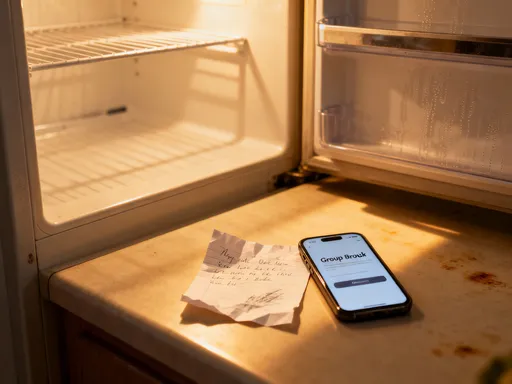
Remember those days when planning a simple dinner with friends felt like running a marathon? I do. I’d spend hours texting back and forth, trying to find a date that worked for everyone. Was it this Friday? No, someone had a family thing. Next week? One person was traveling. Another was swamped at work. By the time we finally locked in a night, I was already exhausted—before the event even happened. And don’t get me started on the last-minute changes. Someone would cancel the morning of, or show up late, or worse—double-book themselves and forget they promised to come. I once hosted my sister’s birthday dinner after pulling three late nights at work. I barely slept, skipped lunch, and stood in the kitchen for two hours cooking while my heart raced from stress. I thought I was being a good host. But the next day, I woke up with a sore throat, achy joints, and zero energy. I ended up in bed for three days. That’s when it hit me: I wasn’t just tired. I was running on empty, and my body was screaming for rest. Yet, I kept doing it—over and over—because I thought being busy meant being responsible. I thought saying ‘yes’ to everything was what good moms, good friends, good employees did. But the truth? I wasn’t taking care of anyone—not really—because I wasn’t taking care of myself.
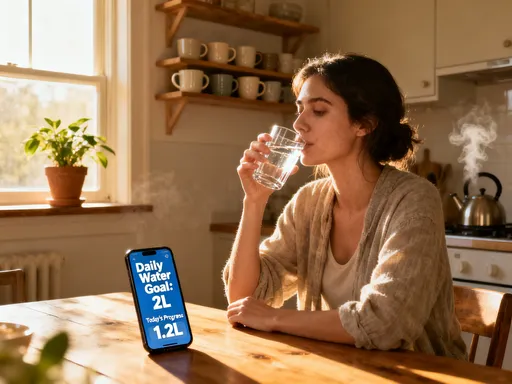
The worst part was how invisible it all felt. No one saw the mental load. No one knew I was surviving on coffee and frozen meals. And the calendar? It didn’t care. It just kept filling up, one obligation after another, with no regard for how I was actually doing. Health wasn’t part of the conversation. Exercise? Something to squeeze in if I had time. Sleep? A luxury. Nutrition? Whatever was fastest. We treated wellness like it was a separate thing—something you did at the gym or on a Sunday morning when life slowed down. But life never slowed down. And so, wellness kept losing. I’d start a new routine—drink more water, walk 10,000 steps, meditate for five minutes—but by Wednesday, something would come up, and it would all fall apart. I wasn’t lazy. I was just overwhelmed. And I know I’m not alone. So many of us are running on fumes, thinking we have to choose between being present for others and taking care of ourselves. But what if we didn’t have to choose?
The First Glimpse of Change: When My Calendar Started Caring About Me
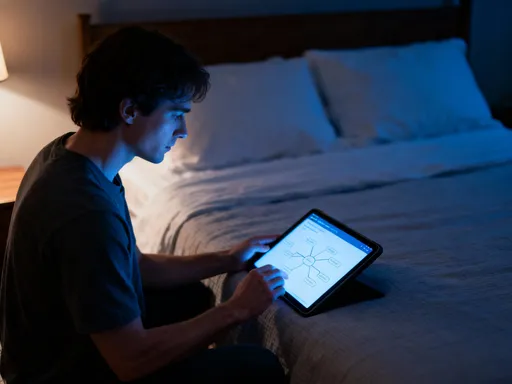
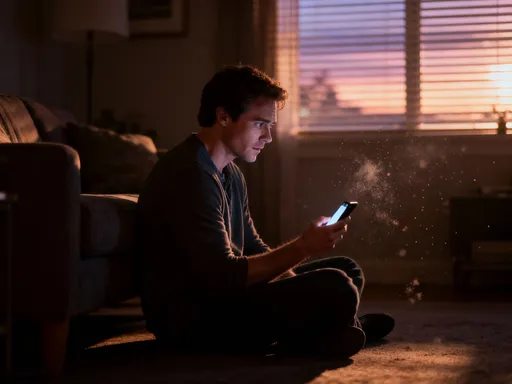
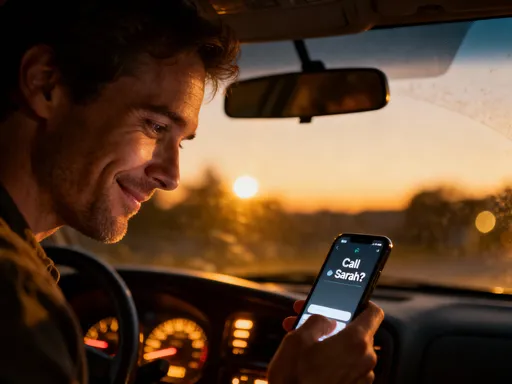
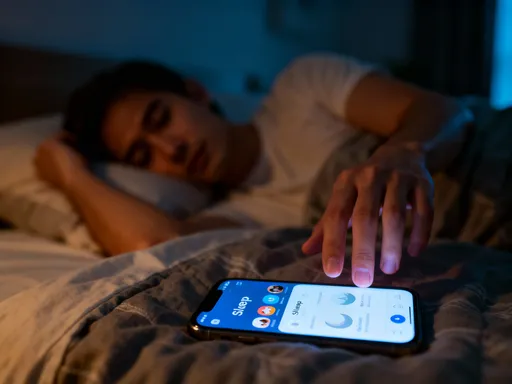
It started with a notification that made me stop and blink. I was about to schedule a client call for 8:30 AM, same as I’d done a hundred times before. But this time, my calendar app paused me. A soft message popped up: “You slept only 5.5 hours last night. Consider rescheduling this meeting to after 10 AM, when your energy typically peaks.” At first, I thought it was a glitch. My calendar wasn’t supposed to know how I slept. But then I remembered—I had recently linked my fitness tracker to my phone. And somehow, the app had started using that data to look out for me. It wasn’t just tracking time anymore. It was tracking me.
That small moment changed everything. I rescheduled the call. And you know what? I showed up sharper, calmer, and actually enjoyed the conversation. No more fumbling for words, no more yawning into the mic. It felt like someone—something—was finally paying attention. I started noticing more of these gentle nudges. If my heart rate variability was low (a sign of stress or fatigue), the app would suggest blocking off 15 minutes for a walk. If I’d been sitting all day, it would remind me to stretch before my next meeting. One afternoon, it even said: “You’re more alert at 10 AM—move the team check-in?” I did. And the meeting was shorter, more focused, and way more productive. It wasn’t magic. It was data—simple, honest information about my body—being used in a kind, thoughtful way.
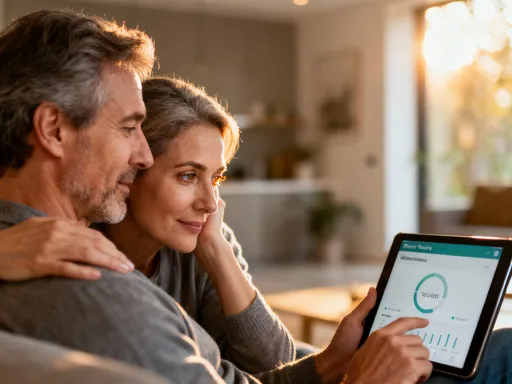
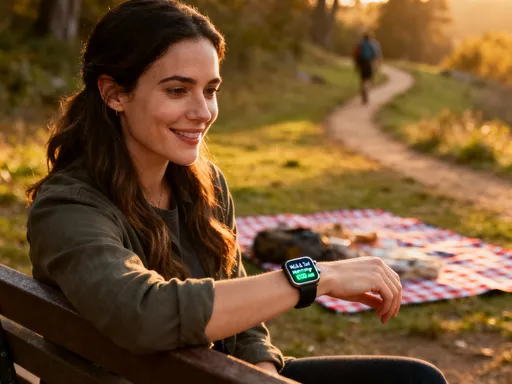
Here’s how it works, in plain terms: many fitness trackers and smartwatches now measure things like sleep quality, resting heart rate, and movement patterns. These devices sync with apps on your phone, including your calendar. When the calendar sees that you’re running low on energy, it doesn’t just keep piling on tasks. It pauses. It asks, “Is this the best time?” It’s like having a personal assistant who also happens to be a wellness coach. And the best part? It doesn’t judge. It doesn’t say, “You should’ve gone to bed earlier.” It just says, “Hey, you’re not at your best right now. Let’s protect your energy.” That shift—from pushing through to pausing with purpose—was revolutionary. I wasn’t ignoring my responsibilities. I was honoring my body. And in doing so, I became better at everything else.
How Events Became Wellness Anchors, Not Energy Drains
Here’s the thing I never expected: events started feeling good again. Not just fun, but actually good for me. Instead of draining my energy, they began restoring it. How? Because the tools I used started suggesting ways to make gatherings healthier—without me having to plan it all. Take last summer, for example. My family was planning a reunion at my cousin’s house. Traditionally, that meant hours of sitting around, eating heavy food, and maybe a quick photo session. But this time, my event app had other ideas. A few days before, I got a suggestion: “Your family’s activity levels have been low this week. Consider adding a 30-minute walk to your reunion—great for bonding and digestion.” I laughed at first. But I sent the idea to the group chat. To my surprise, everyone loved it. We ended up doing a short hike in a nearby park before dinner. We laughed, we talked, we moved. And honestly? The food tasted better because we’d earned it. That hike didn’t feel like exercise. It felt like part of the celebration.
That’s the shift: wellness stopped being a separate chore and started weaving into the moments we already value. Now, when I schedule a work meeting, my app suggests a “walk-and-talk” if the weather’s nice and both parties have low step counts. When I plan a coffee date with a friend, it reminds me to pick a café with outdoor seating and good air quality. When I’m organizing a dinner, it pulls in nutrition goals—like “aim for one plant-based meal this week”—and suggests recipes that fit. None of this is forced. It’s all gentle, optional, and deeply practical. And because it’s tied to things I already care about—connecting with people, enjoying good food, making memories—it actually sticks.
Even my kids noticed the change. My daughter said, “Mom, you’re not so tired after parties anymore.” And she’s right. Because now, events are designed with energy in mind. If I’m hosting a gathering late in the evening, the app checks my sleep history and asks, “Do you want to set a wind-down reminder for 9 PM?” If I’ve been sedentary all day, it suggests serving snacks that include fruit or nuts instead of chips and cookies. It’s not about perfection. It’s about small, smart choices that add up. And the result? I’m not just surviving social life—I’m thriving in it.
The Quiet Power of Shared Health Goals in Group Planning
One of the most beautiful surprises has been how these tools have brought more empathy into group planning. It’s no longer just about what time works—it’s about how everyone is feeling. I remember planning a team lunch with my coworkers. In the past, we’d pick a spot based on convenience or cravings. But this time, something different happened. After we entered our availability, the app analyzed anonymous wellness data from our devices—things like average sleep, stress levels, and activity. Then it suggested a restaurant known for balanced, nourishing meals, with a note: “Group stress levels are elevated this week. A lighter, calming menu may help.” I was stunned. Not only did it work, but everyone appreciated it. One colleague said, “I didn’t realize how much I needed a real meal until I saw the salad bar.”
What’s powerful here is that no one had to admit they were struggling. No one had to say, “I’m exhausted” or “I’ve been eating junk all week.” The data spoke quietly, and the system responded with care. We didn’t feel judged. We felt seen. And that made all the difference. Since then, I’ve seen this happen in other groups—book clubs choosing tea over wine when sleep data shows low rest, friends swapping a loud concert for a picnic when noise sensitivity is high, families picking a park over a mall when air quality is poor. These aren’t big changes. But they reflect a new kind of awareness—one that values well-being as much as fun.
What I love most is how this fosters kindness without pressure. No one’s shaming anyone for skipping dessert or leaving early. Instead, the tools create space for better choices by making them the default. And because the data is shared anonymously, there’s no guilt, no competition—just collective care. It’s like the group has a shared heartbeat, and the technology helps us listen to it. That sense of connection—of knowing we’re all doing our best—has made my relationships feel deeper, more supportive, and more real.
No More Guilt: When Missing Out Felt Safe (and Healthy)
Let’s talk about the word we all dread: no. Saying no used to feel like failure. If I skipped a party, I worried people would think I didn’t care. If I left early, I felt guilty, like I’d ruined the vibe. I carried that weight for years—saying yes when I meant no, showing up when I should’ve stayed home. But now? Saying no feels different. It feels like self-respect. And that shift started when my event tools gave me a new way to decline—one that was kind, clear, and guilt-free.
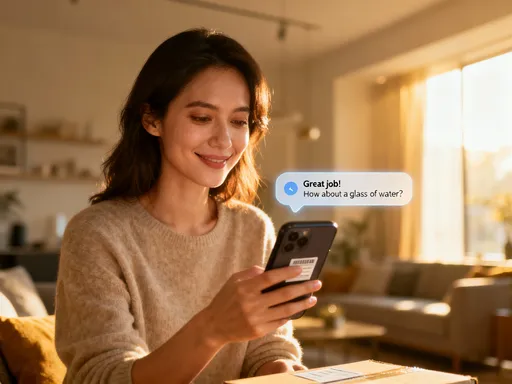
Here’s how it works: when an event invitation comes in, and my wellness data shows I’m running low on energy, the app offers a “decline with care” option. I can tap it, and it sends a warm, pre-written message like: “Thank you for thinking of me. I’m recharging today to show up my best—let’s plan something soon.” No awkward excuses. No over-explaining. Just honesty, wrapped in kindness. The first time I used it, I held my breath waiting for a reply. But my friend responded with: “So glad you’re listening to your body. We’ll miss you, but rest up!” That moment was a revelation. People weren’t angry. They were supportive. And more importantly, they respected my boundaries because the message made rest feel normal—not lazy, not selfish, but necessary.
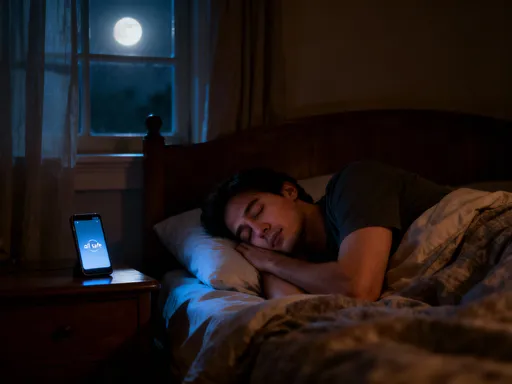
Since then, I’ve declined more events than I used to. And you know what? My health has improved. I’ve gotten sick less. My mood is steadier. And when I do say yes, I’m fully present—laughing, listening, enjoying—instead of counting the minutes until I can leave. I’ve realized that missing out on an event isn’t failing. It’s protecting what matters most: my energy, my health, my ability to show up with love. And the beautiful irony? By saying no more often, I’ve actually become a better friend, a better mom, a better version of myself. Because I’m no longer giving from an empty cup. I’m giving from a place of fullness.
Making It Work in Real Life: Simple Steps to Start Today
If this all sounds too good to be true, I get it. I felt the same way at first. But the truth is, you don’t need to be a tech expert to make this work. You don’t need the fanciest devices or the most advanced apps. You just need a few small, intentional steps. Let me walk you through how I started—nothing complicated, nothing overwhelming.
First, I connected my fitness tracker to my phone’s calendar. Most modern devices—like smartwatches or even basic activity bands—can sync with popular calendar apps. It takes about five minutes. Once linked, the apps can start sharing basic wellness insights, like sleep duration or daily steps. You don’t have to turn on every feature at once. Start with one—like fatigue alerts or energy-based scheduling. See how it feels.
Next, I enabled wellness suggestions. This is usually an option in the app settings, often under “smart features” or “health integrations.” Once turned on, the app begins offering gentle nudges—like rescheduling a meeting after a poor night’s sleep or suggesting a walk before a long call. At first, I ignored most of them. But over time, I started noticing which ones actually helped. I kept the ones that made sense for my life and turned off the rest. It’s not about following every suggestion. It’s about giving yourself more options.
Then, I created a few “body-first” rules. For example, I set a personal rule that no social event can start before 7 PM if I’ve had less than six hours of sleep. The app reminds me, and I use it as a signal to either reschedule or decline with care. I also started tagging certain events as “wellness-friendly”—like walks, cooking nights, or outdoor gatherings—so I can prioritize them when I’m feeling low. These small rules aren’t strict. They’re guideposts.
And finally, I had a conversation with my family. I said, “Hey, I’m trying something new. My phone might suggest we move dinner earlier or take a walk before dessert. It’s not because I don’t want to spend time with you—it’s because I want to enjoy it more.” My kids thought it was funny at first. “Wait, your phone now protects your sleep?” one asked. I laughed and said, “Yep—and your friendships too.” And it’s true. Because when I’m rested, I’m more patient, more present, more joyful. And that’s the gift these tools give us—not just better planning, but better living.
Life, Lighter: What Changed Beyond Health
When I look back at the woman I was—rushing from one event to the next, surviving on caffeine and guilt—I hardly recognize her. Today, life feels different. Lighter. Fuller. More mine. The changes go far beyond better sleep or more steps. They’ve touched the very quality of my days. I laugh more—real, deep belly laughs—because I’m not too tired to feel joy. I listen better—because my mind isn’t racing ahead to the next task. I show up—because I’ve stopped treating myself like an afterthought.
What’s amazing is how physical care has unlocked emotional availability. When I’m not drained, I have space to be kind, to be curious, to be present. I’ve reconnected with old friends, not because I forced myself, but because I had the energy to care. I’ve said yes to spontaneous moments—a sunset walk, a last-minute coffee—because I wasn’t too worn out to say yes. And my family has noticed. My husband says I seem “more like myself.” My kids say I’m “less cranky.” That’s not vanity. That’s vitality.
And here’s the truth I’ve come to believe: technology doesn’t have to be cold or controlling. When it’s designed with empathy, when it listens to our bodies and respects our limits, it can become a quiet guardian of what matters most. It doesn’t replace human connection. It protects it. It doesn’t automate life. It makes space for living—fully, deeply, joyfully. So if you’re still juggling, still saying yes when you mean no, still running on empty—know this: you don’t have to. You can let your calendar care for you. You can let your phone remind you to rest. You can build a life where planning doesn’t drain you—it restores you. Because you’re not just managing time. You’re nurturing a life. And that? That’s the most important event of all.